History of Domaine des Roches
An exceptional residence, still inhabited after 2 centuries
Nestling in the heart of a romantic 13-hectare park, where peace and harmony reign,
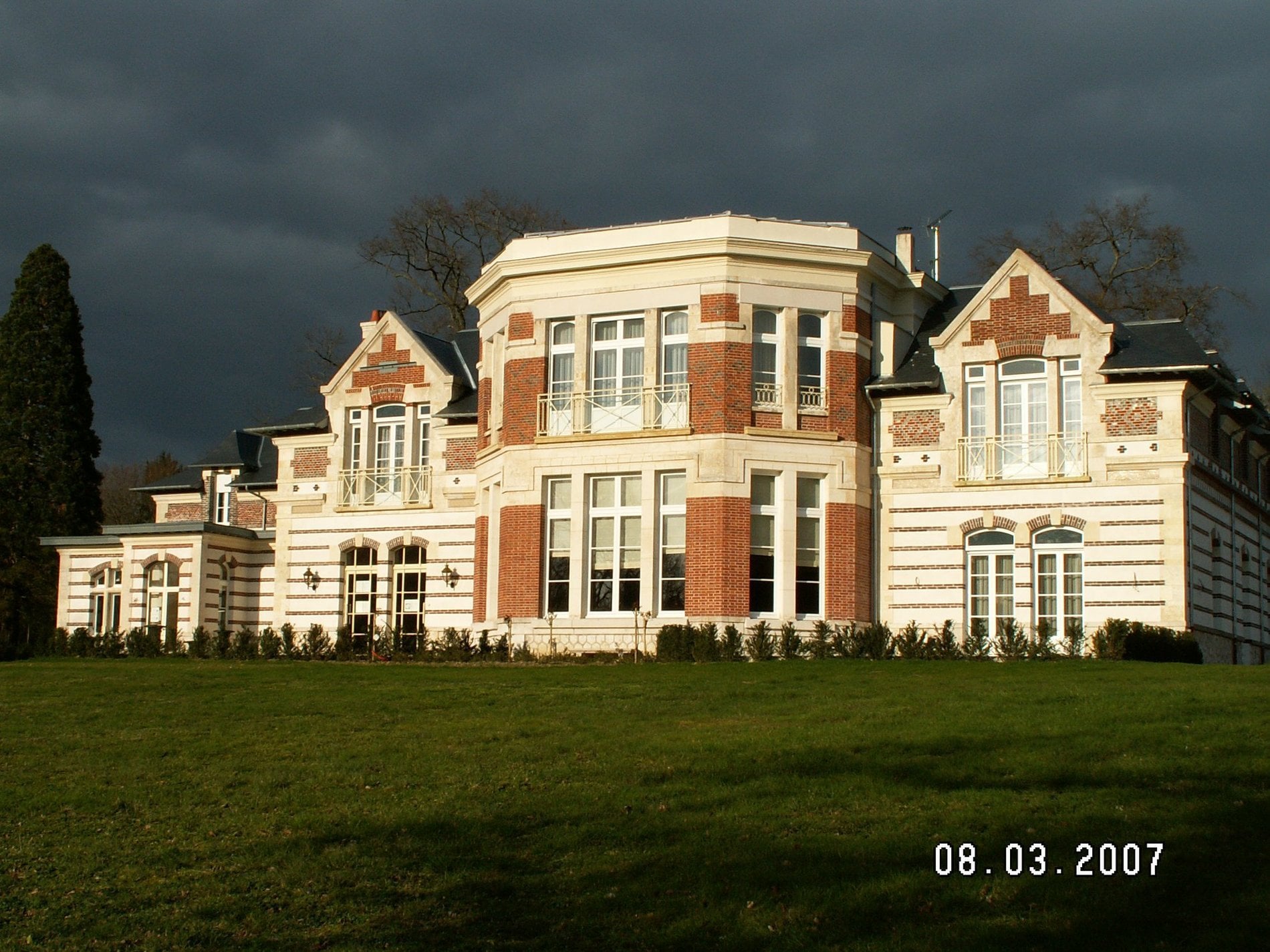
le Château des Roches stands, surrounded by century-old trees, like a privileged witness to history.
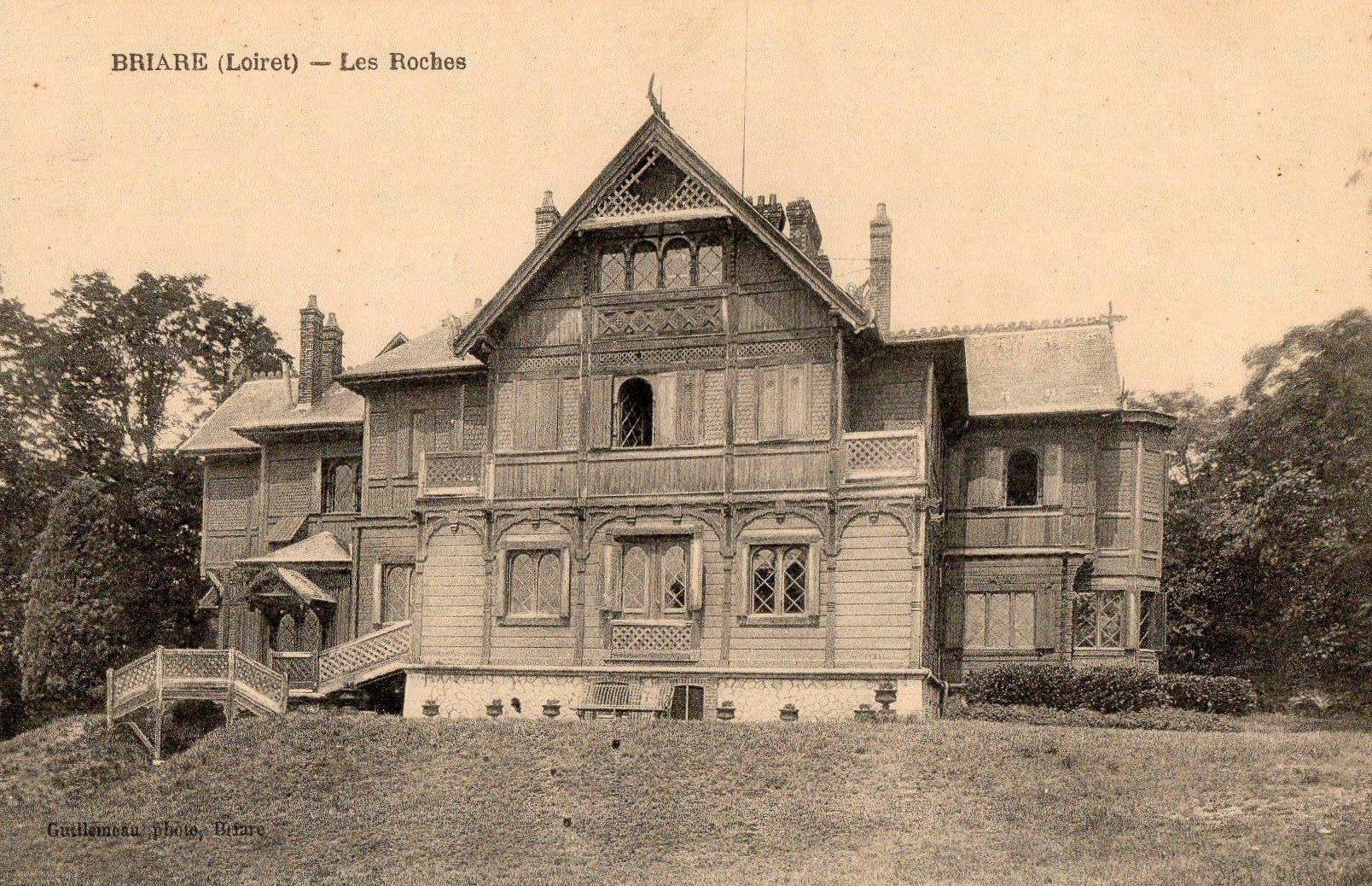
A symbol of Nordic architecture at the Universal Exhibition in Paris in 1867, this villa was presented on the Norwegian pavilion, reassembled in Briare and used as a family home. Its location on the hill of Les Roches, near Gien and the Loire, was home to an incredible industrial epic of the Age of Enlightenment that radiated across the world in the XIXᵉ century.
In the 20th century, it welcomed passionate owners who, over the generations, enlarged and embellished it while preserving its authenticity. In 2006, it opened up to the hotel trade, beginning a new life. Refurbishments and renovations have been carried out to offer comfort and elegance, without ever betraying the soul of the place.
Its secret:
A château still inhabited by passionate owners, happy to live there, admiring its charm and attentive to its comfort.
So, from its origins to the present day, Le Domaine des Roches has gracefully weathered the centuries, adapting to the times and evolving without ever losing its soul.
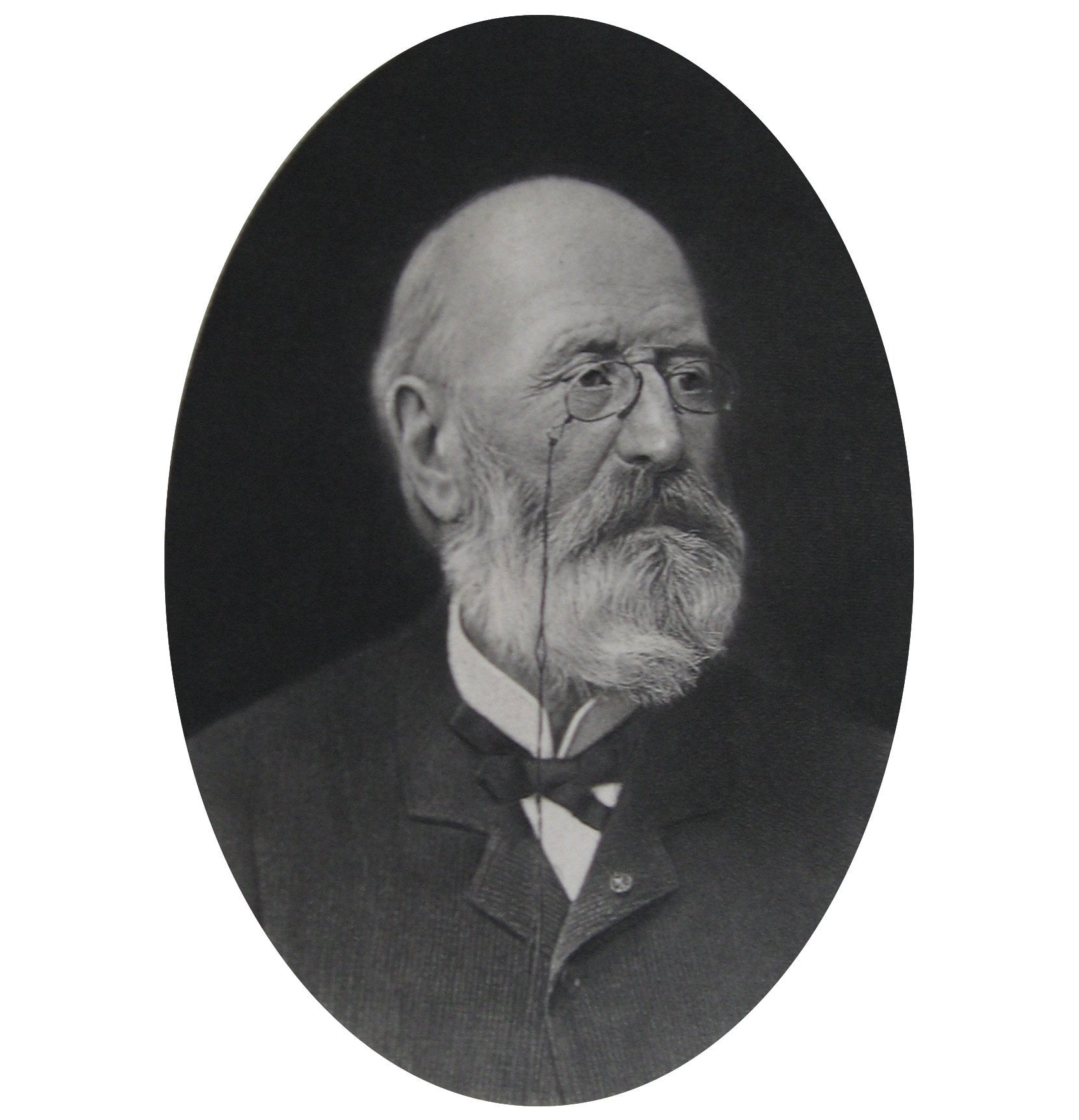
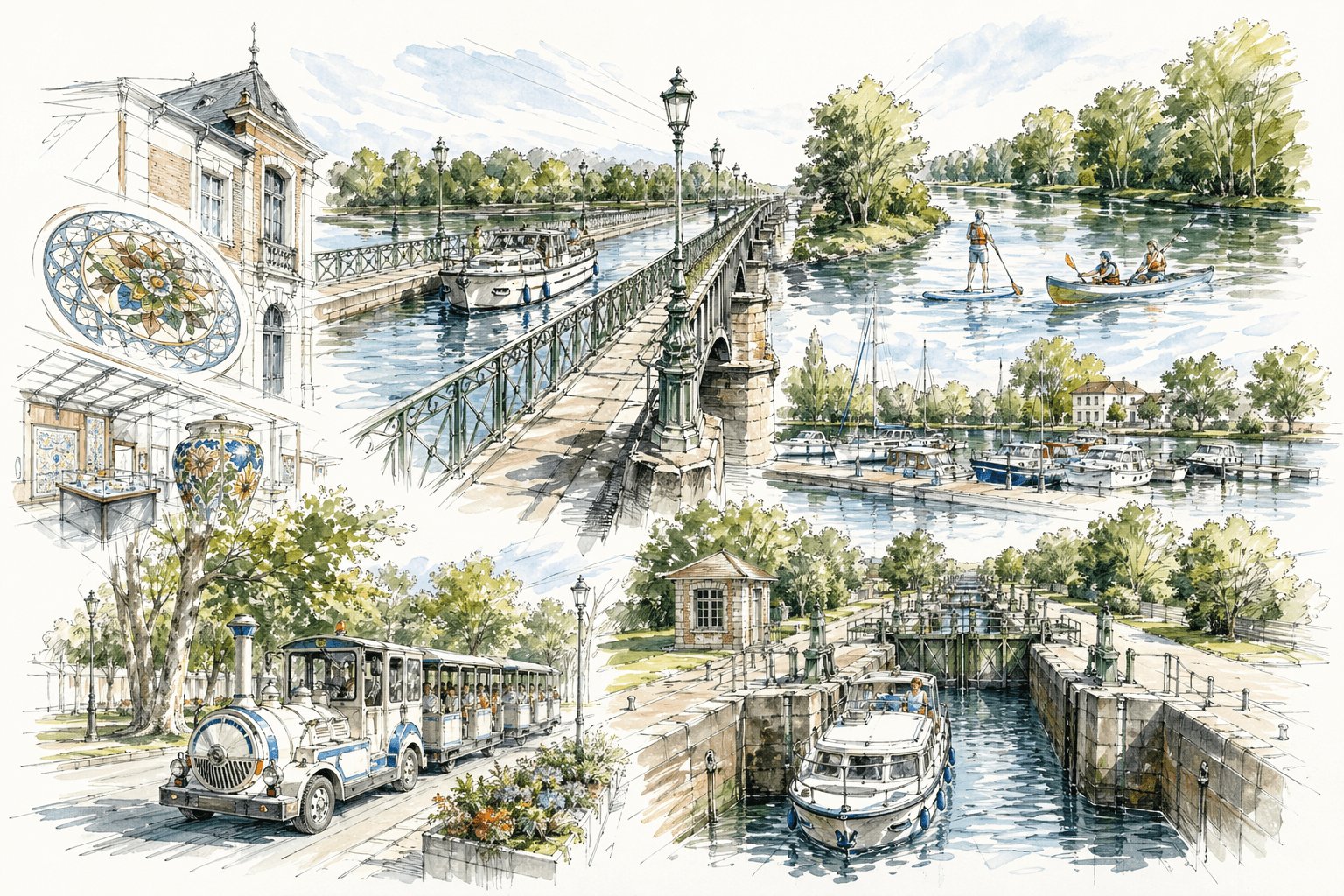
City of Pearls", thanks to the inventor and industrialist Jean-Félix Bapterosses (1813-1885), who put his mechanical genius to work at the Manufacture de Briare, first making buttons, then pearls and later world-famous enamels that would contribute to the revival of the art of mosaic Bapterosses registered numerous patents in the industrial sector.
A prolific inventor, he registered numerous patents in the industrial field, and in 1845 founded his first porcelain button factory in Paris.
His business flourished, and he soon had to look for a bigger place to expand his factory. In 1851, he settled in Briare, buying out a bankrupt earthenware factory to set up his factory, which would later become Emaux de Briare. With the help of his older brother Jean-Frédéric, they developed the company by diversifying the products, shapes and colours of the enamels, and further expanding the factory. In 1864, as his worldwide success prospered, he bought out the Faïencerie de Gien factory, which his descendants kept under their control until 1983.
Very attached to Briare, as a county delegate and General Councillor, he built schools within the factory, workers' housing estates, a hospice and a retirement home. He was made a Knight of the Legion of Honour in 1855. In 1878, he was awarded the grand prize at the Universal Exhibition and the Officer's Cross of the Legion of Honour. On 13 April 1885, Jean-Félix died in Briare, where thousands of people attended his funeral.
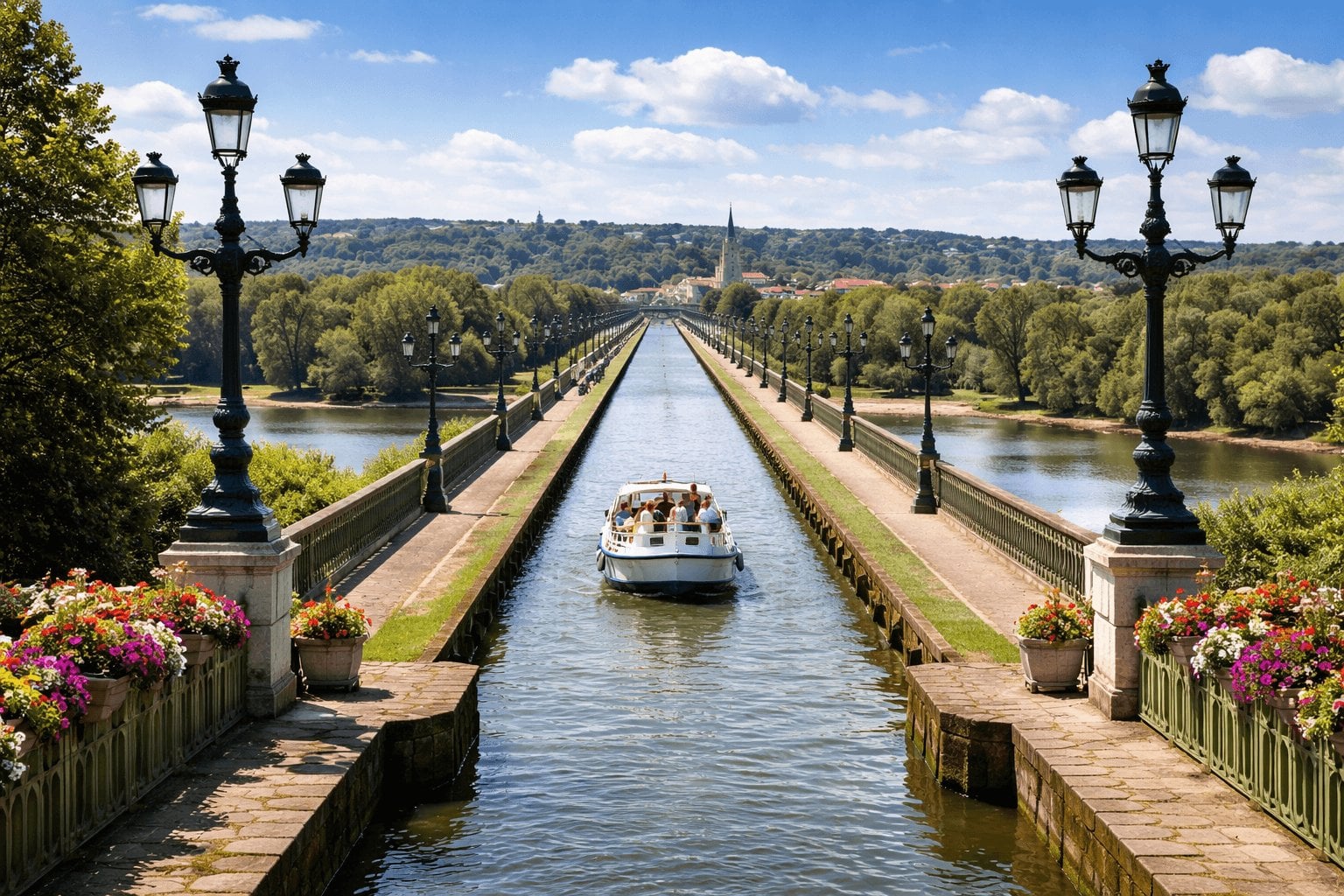
With a factory, three châteaux, a town hall, a hospital, a church, farms, a stadium and various monuments, this dynasty was one of the three founding elements of the town of Briare, along with the Romans and the canal bridge.
At the 1867 Universal Exhibition in Paris, in the Norwegian pavilion, a villa was exhibited in praise of Nordic architecture. Jean-Félix Bapterosses bought it, had it completely dismantled and reassembled on the Roches hill in Briare in the Loiret (45) and gave it the name Villa des Roches.
Jean-Félix Bapterosses, the founder of the Briare enamel factory, had 3 daughters who married three engineers working for the enamel company, so André Yver, his son-in-law (who added Bapterosses to his surname out of admiration for the founder) and his wife Marie Girod de l'Ain lived at the Villa des Roches.
France was shining on the world stage at the time, and Paris was undergoing a metamorphosis under the impetus of Baron Haussmann: wide avenues, artificial parks, World Fairs, the construction of the Eiffel Tower... In the provinces, the movement was inspiring elegant homes, and the Villa des Roches was no exception.
To enlarge the property, the outbuildings of a 19th-century tenant farm were completely dismantled and added to, and the whole complex was redesigned and redeveloped to create what is now Château des Roches.
The other 2 daughters of Jean-Félix Bapterosses lived in Château Trousse-Barrière and Château de Beauvoir. Subsequently, the descendants of the following generations lived in Château des Roches, Château de Beauvoir and Château Trousse-Barrière, ensuring that the property remained in the family fold and was preserved.
Thus ends an era, leaving behind a legacy of grandeur and generosity.
Bought by Jean Claude Bertojo, a passionate urban developer and founder of the Spirit group, the property was initially intended for family and private use, but every summer the Château des Roches returned to its original vocation: a place of family happiness, where the sound of children's laughter can be heard in the park.
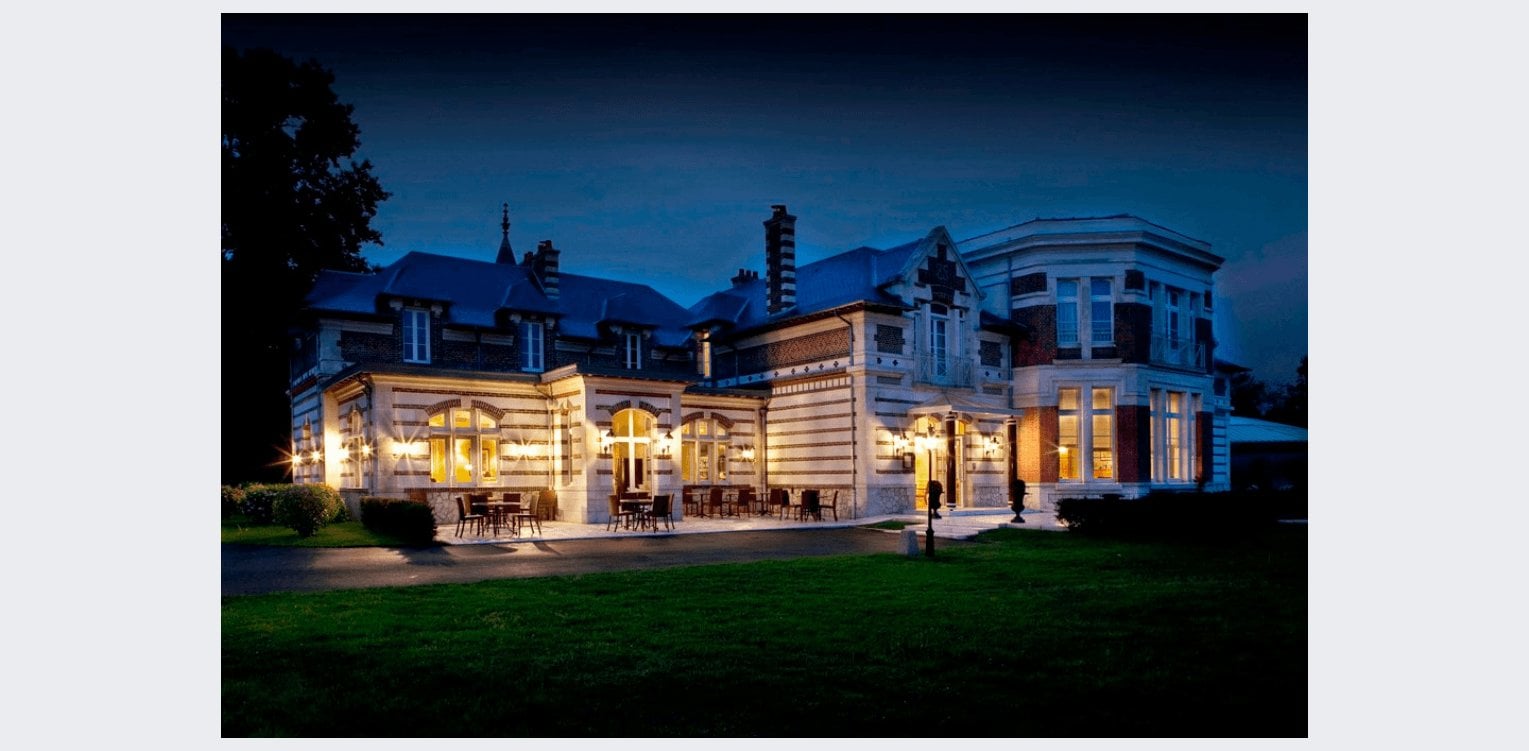
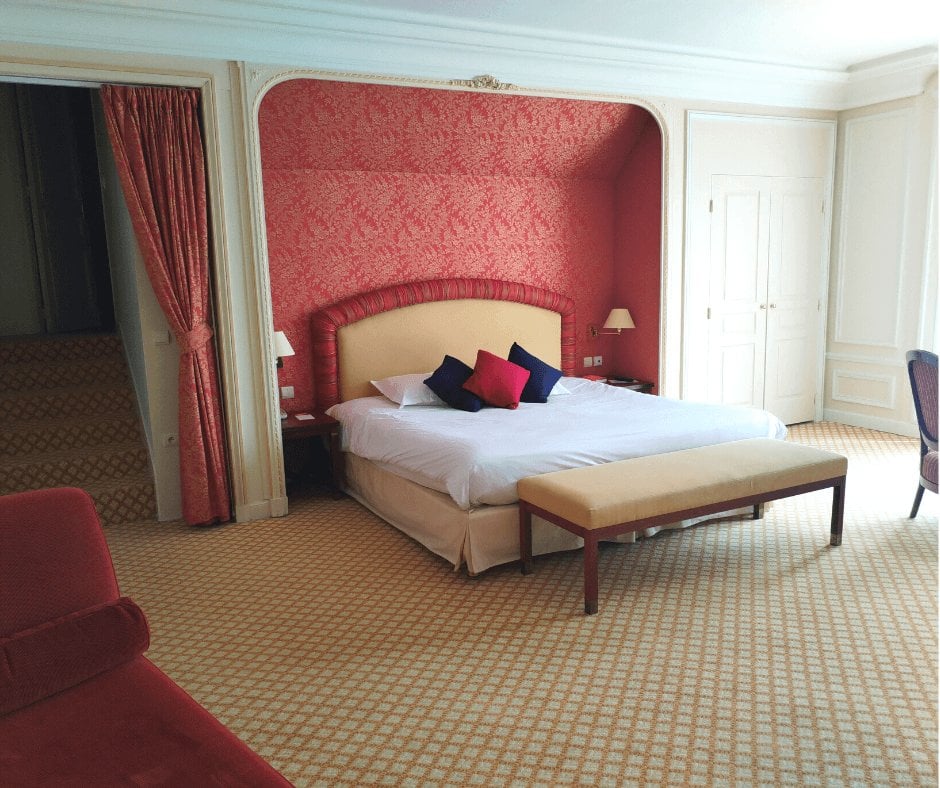
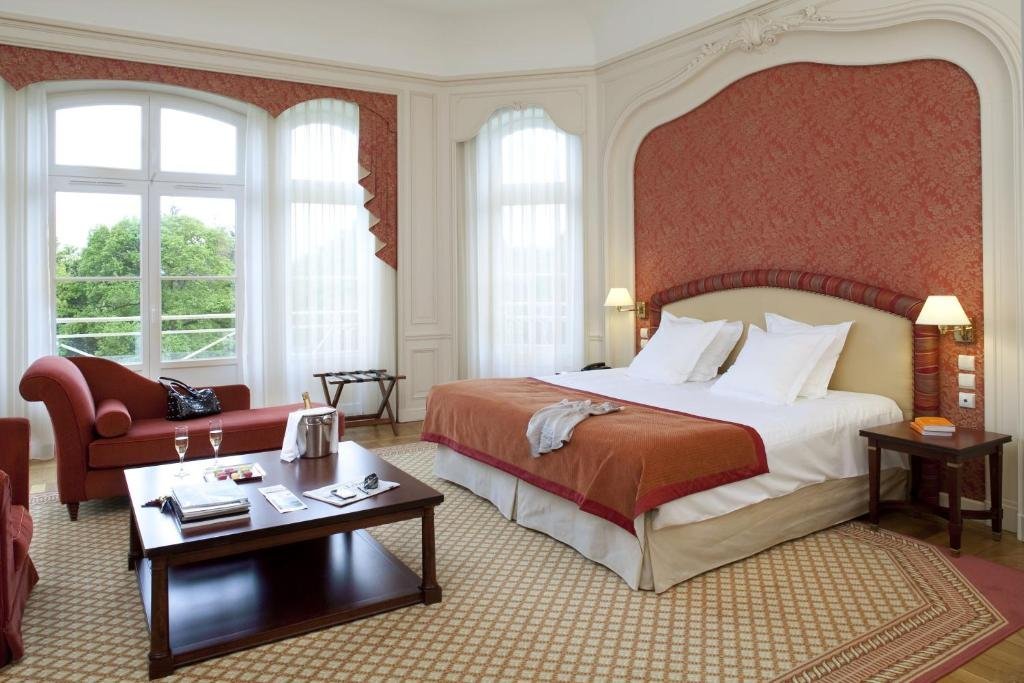
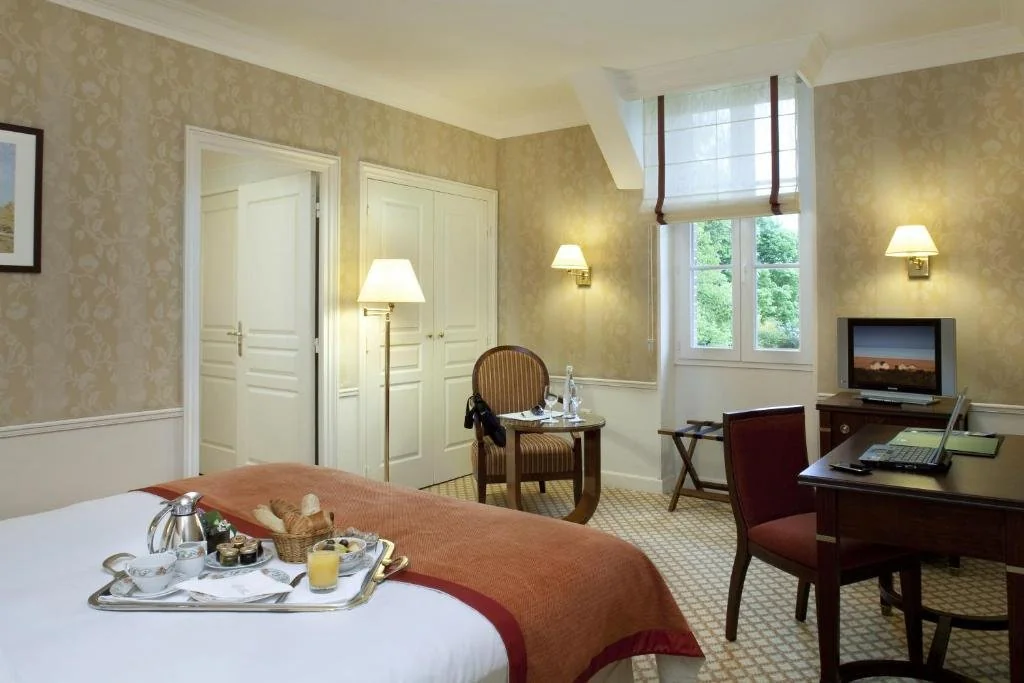
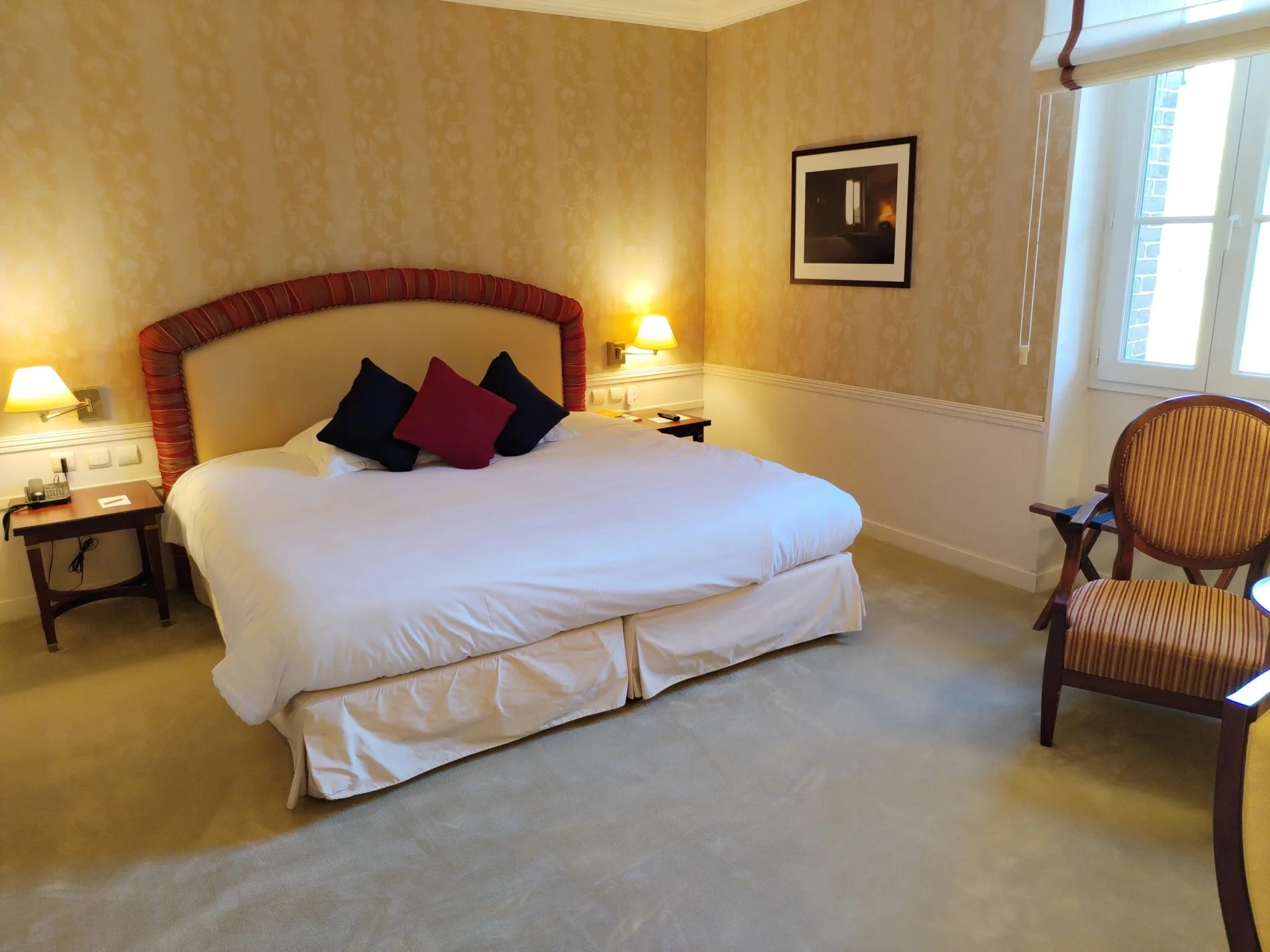
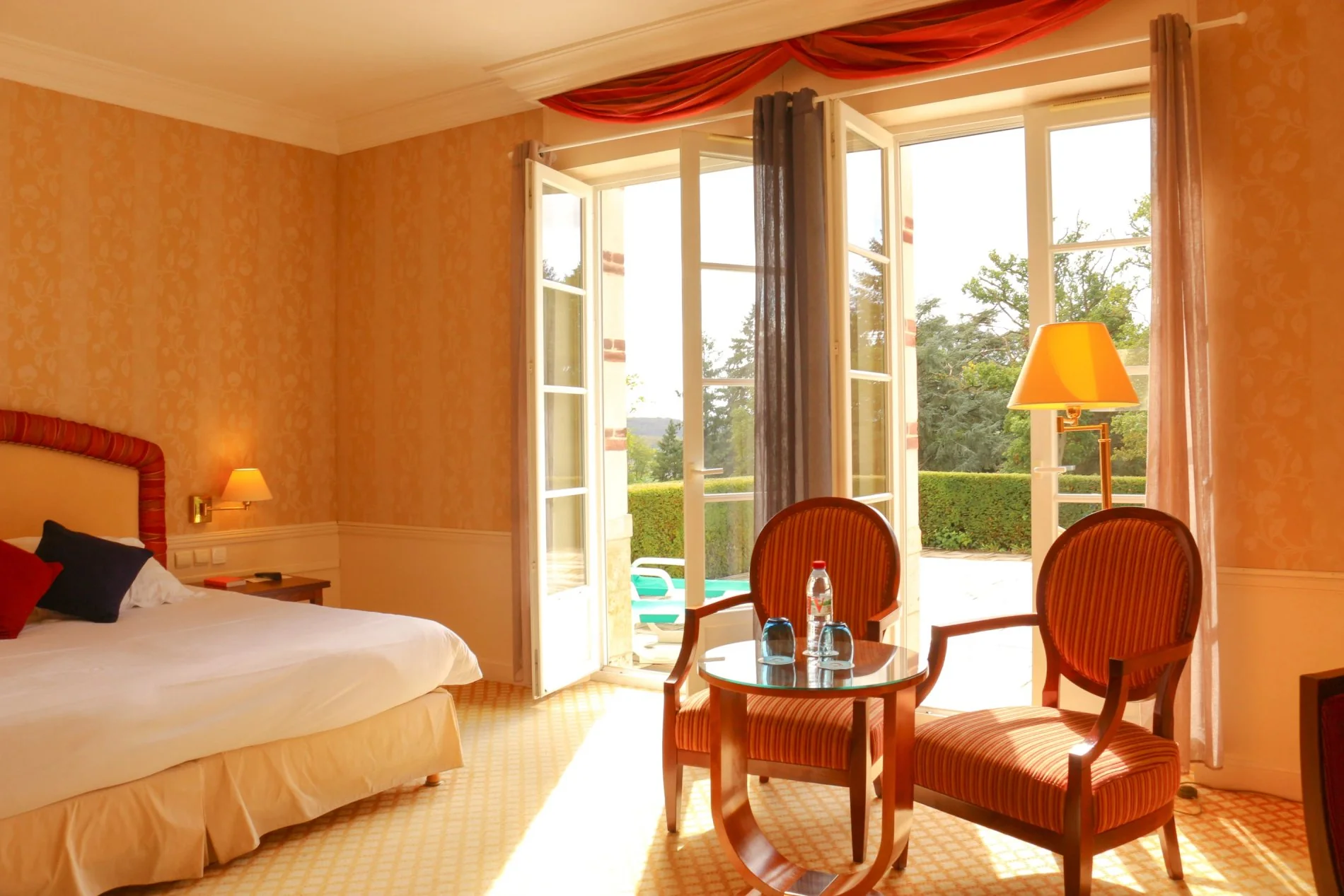
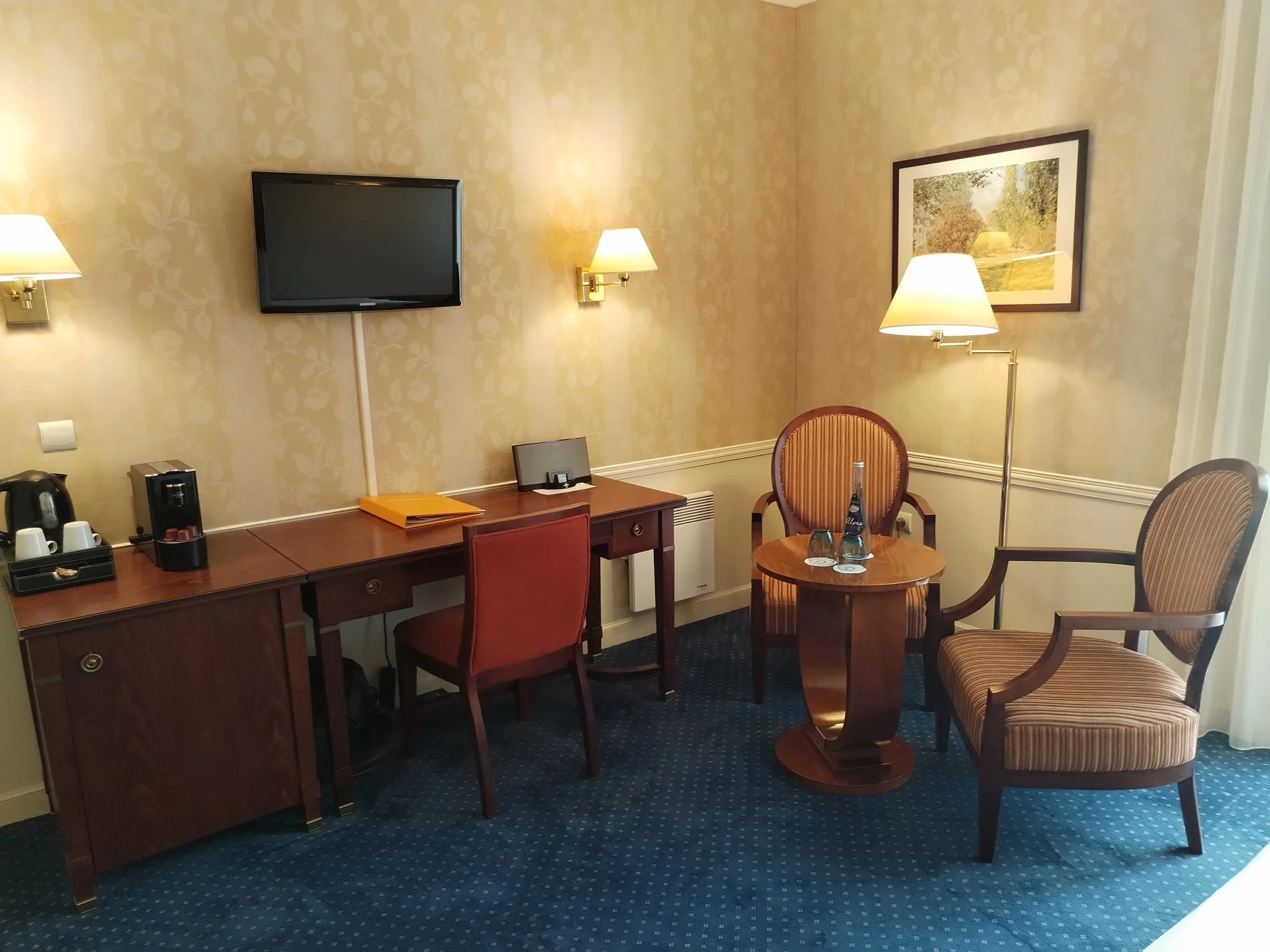
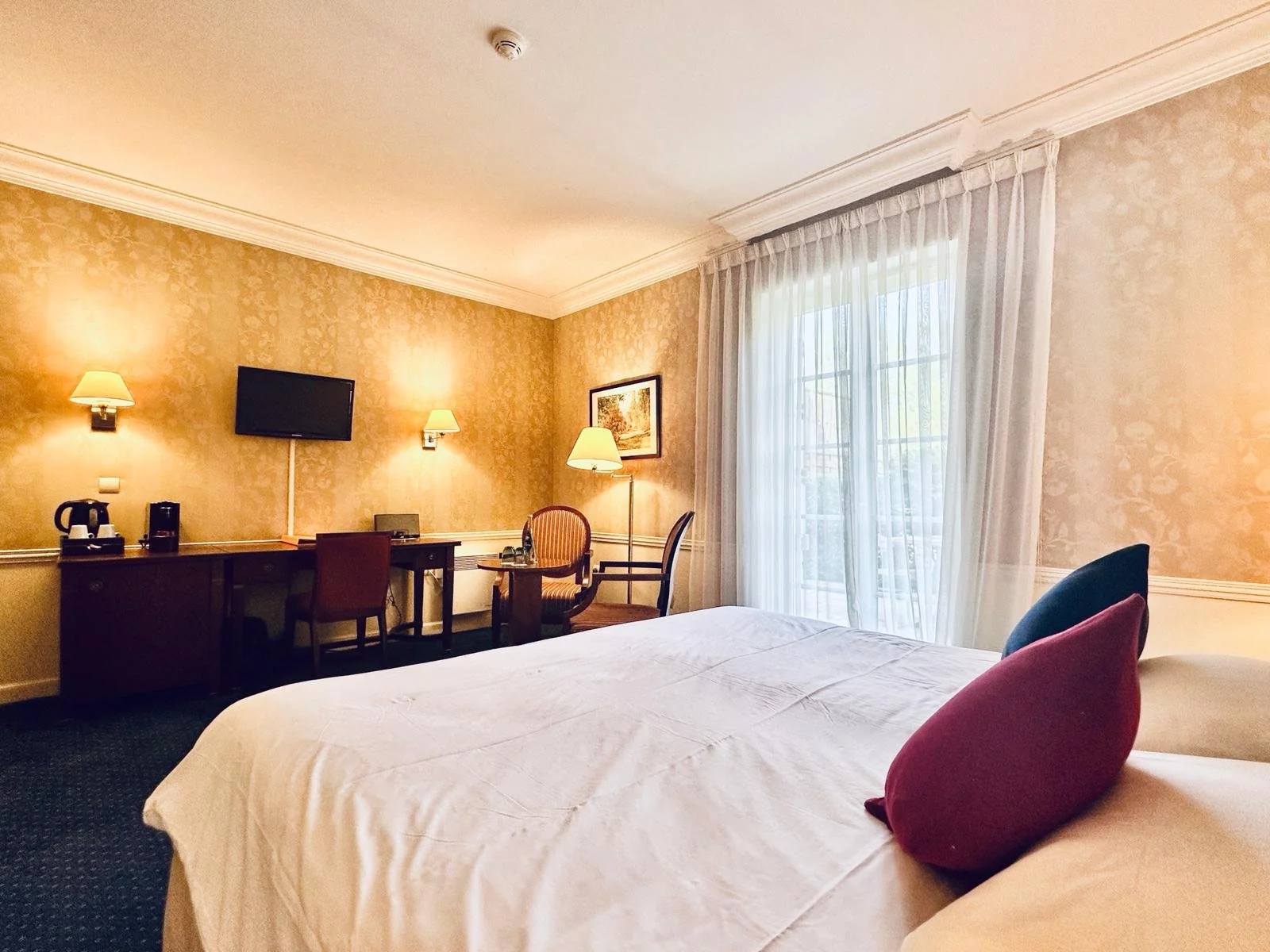
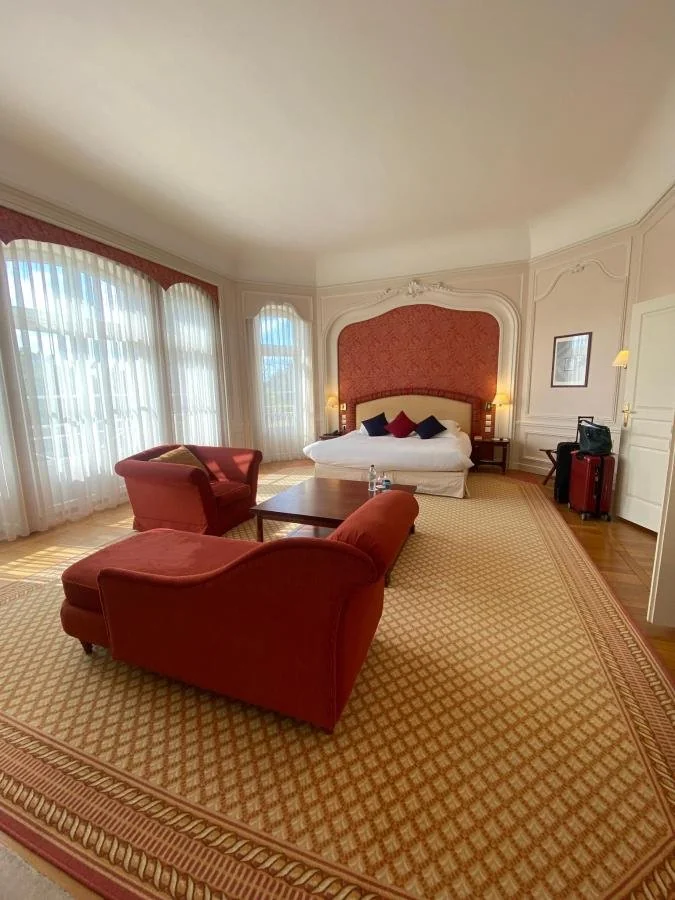
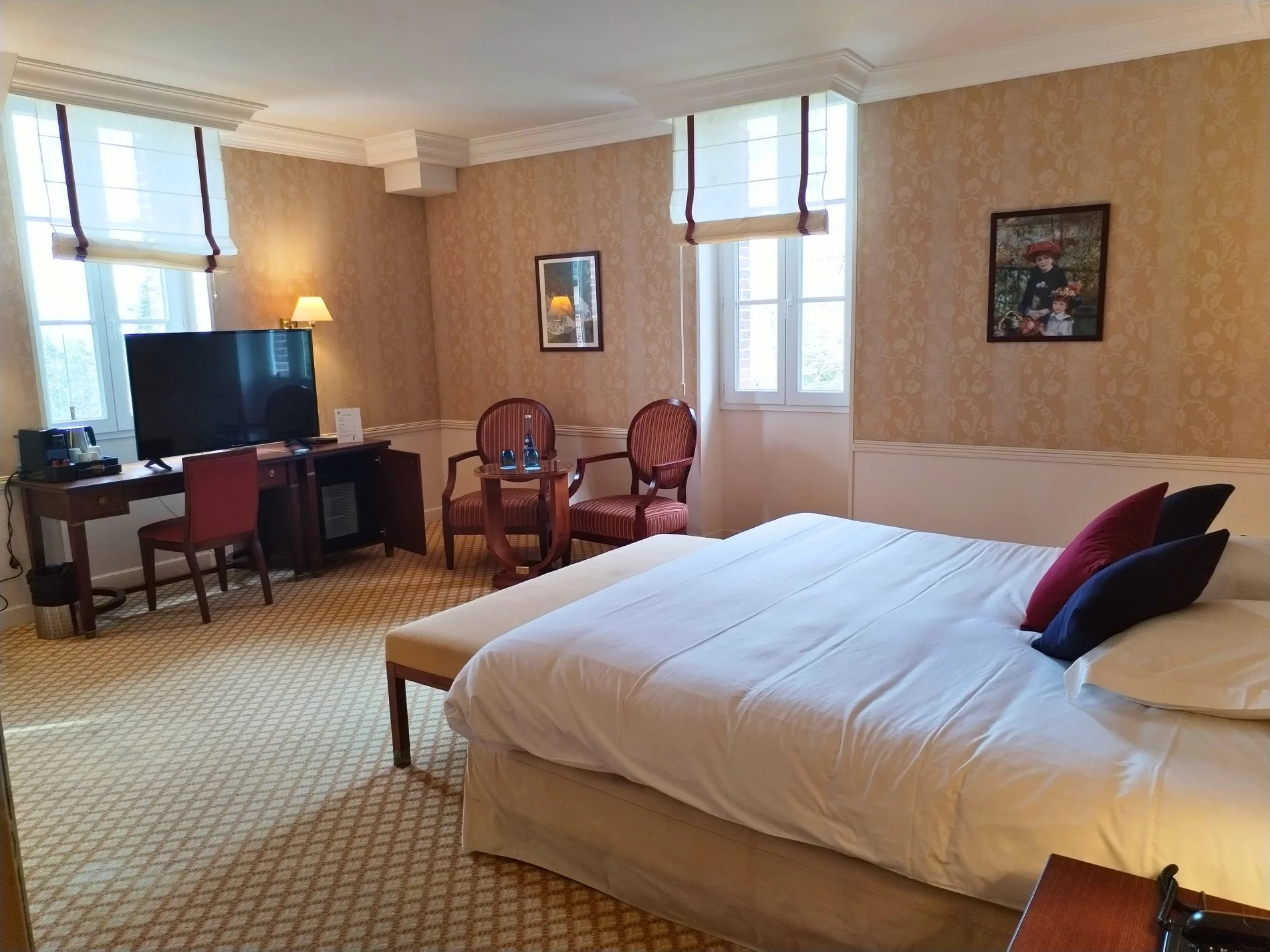
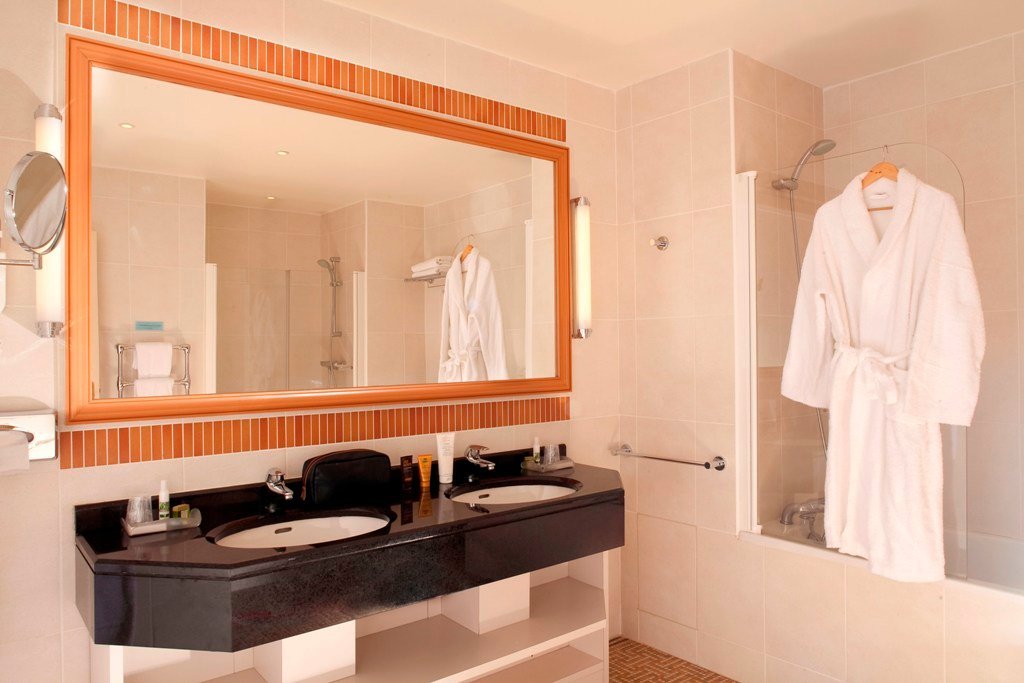
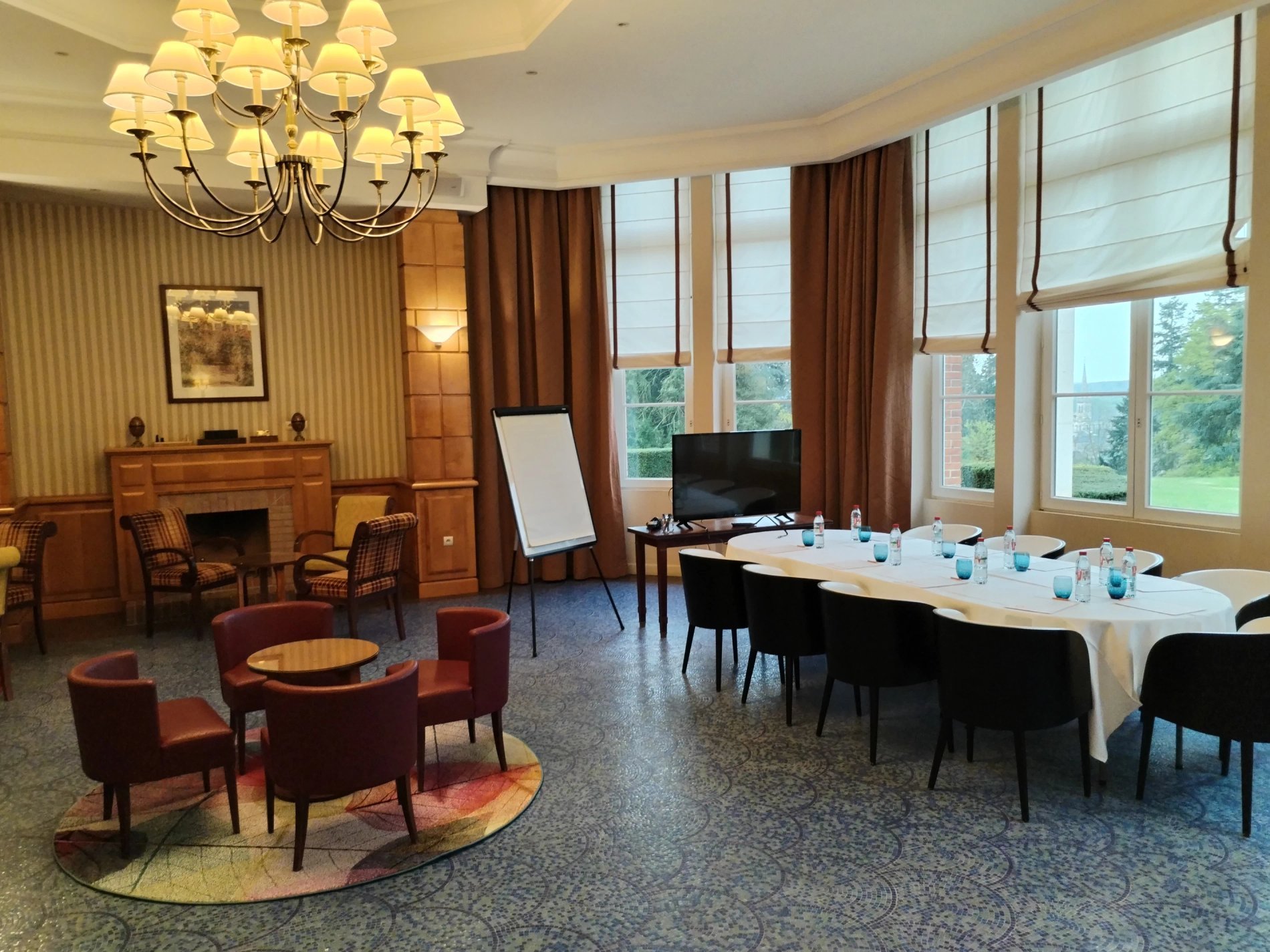
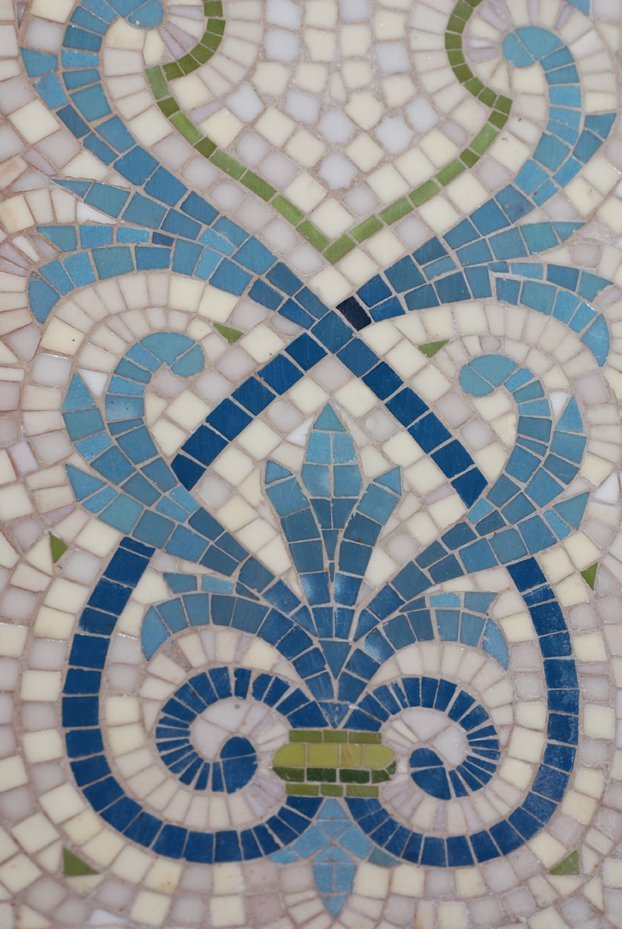
From 2006 onwards, the Château des Roches was transformed into a 3 and then 4-star hotel. Architects and interior designers were called in to carry out the transformation work over several years. The aim was to upgrade the facilities, meet the needs and standards of the hotel industry, and improve guest comfort while preserving the character and authenticity of the mosaics that adorn the home of the founders of Briare enamels.
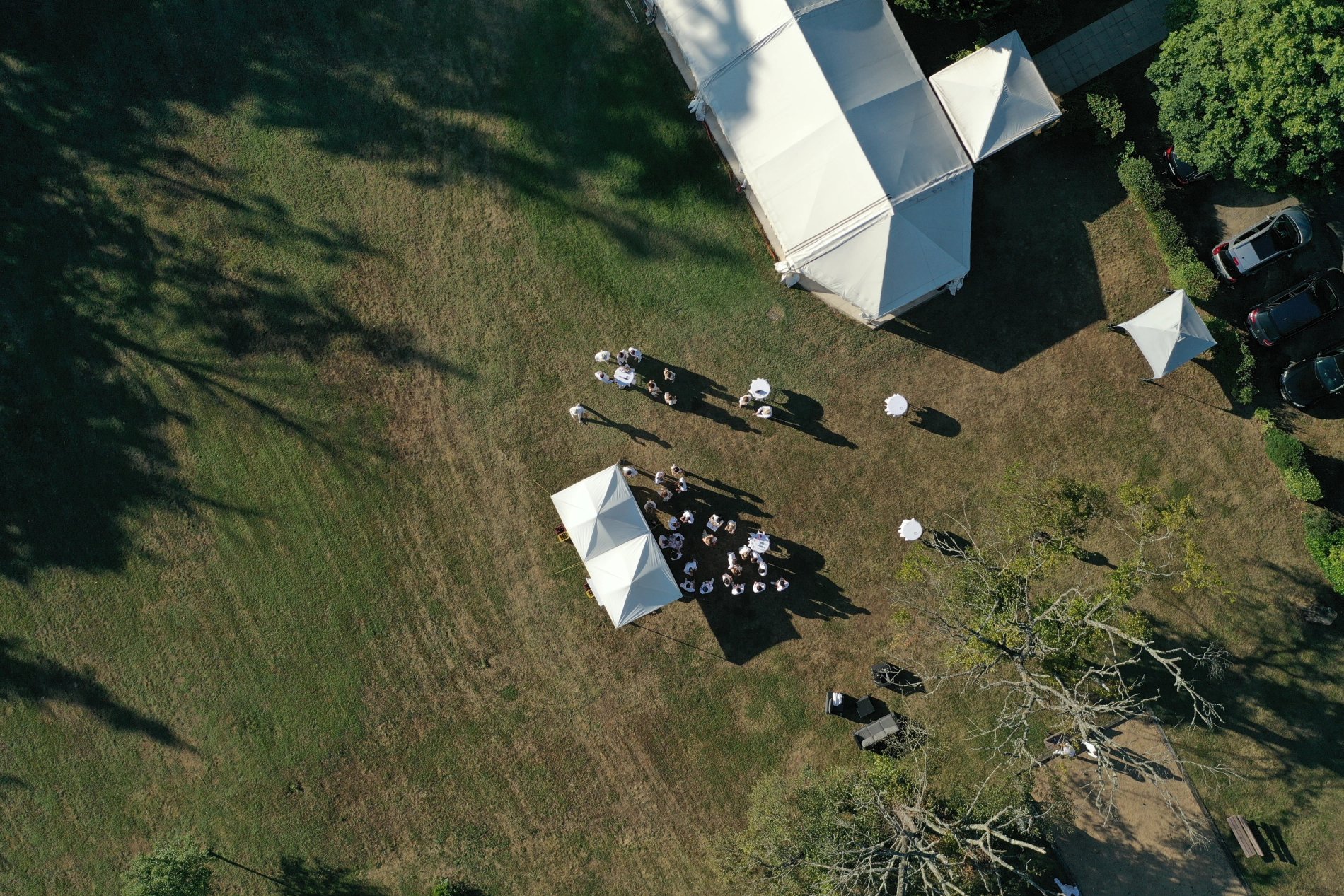
For the pleasure and comfort of guests, a tennis court and swimming pool were created, and the Cottages were added to the grounds.
The name of the business was launched: "Le Domaine des Roches".
The new hotel was initially managed directly by the SPIRIT group, then leased to a chef for 5 years.
In 2019, a new page was turned for Le Domaine des Roches, as hotel experts were called in to take over the running and management of the troubled Domaine des Roches. A new positioning and refurbishment work were undertaken on the buildings, hotel infrastructure and park.
Covid put the brakes on this drive for renewal, but the Domaine's cottages remained open for carers during this troubled period. The work continued when the restrictions were lifted, but the hotel business was severely affected.
By dint of conviction, commitment and tenacity, the Domaine des Roches is continuing its transformation while preserving its exceptional past.
As lovers of our heritage and keen to showcase this exceptional residence nestling in its parkland of century-old trees, we bought the property.
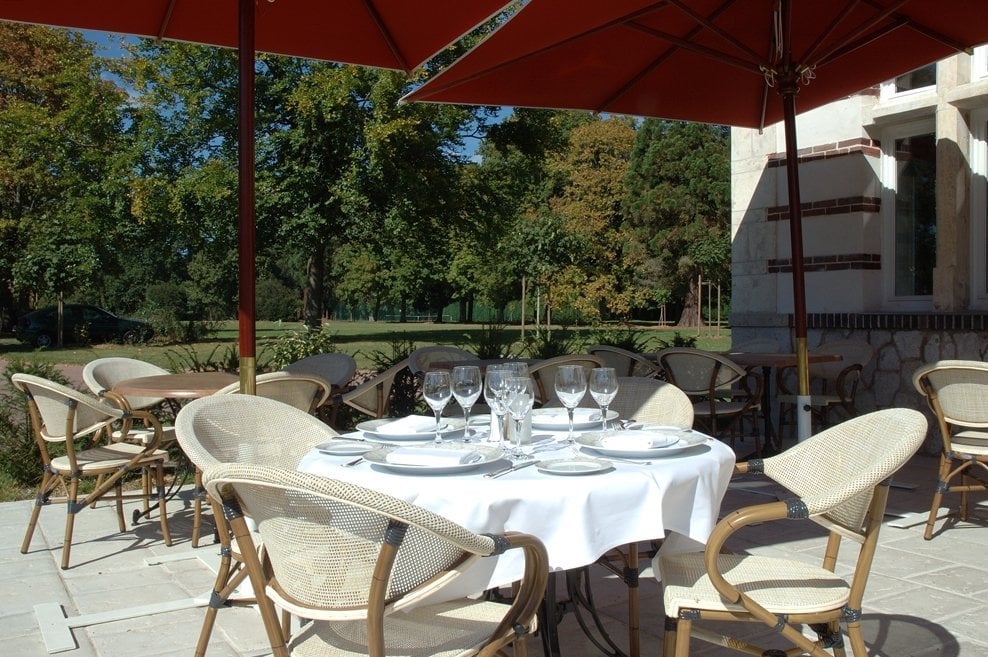
Keen to make it a lasting part of the Briar landscape and the region, we have continued to develop new services with the launch of the bistronomic restaurant " Le Séquoia ", the creation of the Bar & Tearoom " Le 1845 ", and the creation and development of the SPA " Le jardin des Sens ".
We work hard every day to promote this magnificent 19th-century mansion, whose ground-floor rooms and several bedrooms, lounges and bathrooms are decorated with beautiful period mosaics in Briare enamel.
To preserve this heritage and the comfort of our guests, we undertake renovations and improvements every year to maintain this exceptional heritage, a genuine vestige of a 19th and 20th century industrial adventure that made France famous the world over.
Discover the history of the Emaux de Briare
Domaine des Roches is a must for lovers of charm, history and well-being.
Discover also...